Public vs. Private vs. Hybrid: Choosing the Right Cloud Solution for Your Needs

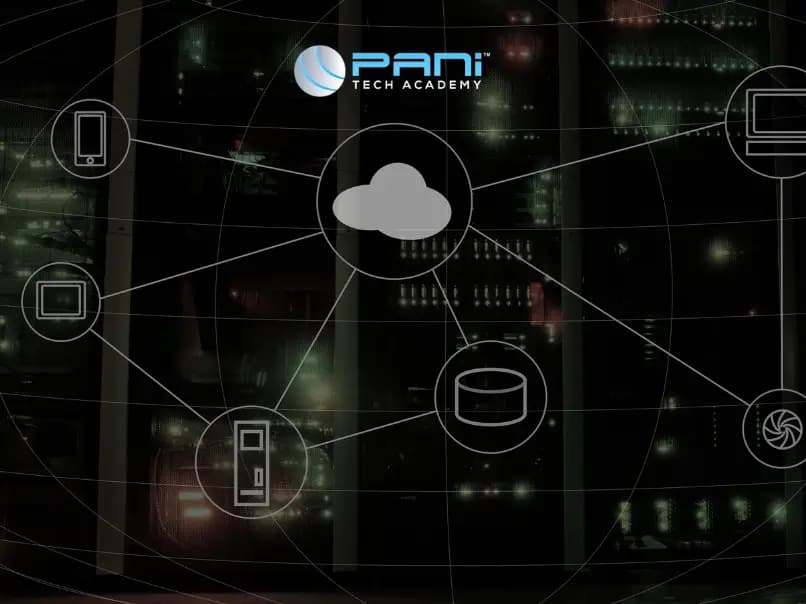
In today's digital era, cloud computing has become an indispensable technology for businesses seeking to innovate, scale, and stay competitive. However, with a myriad of cloud solutions available, choosing the right one for your organization can be daunting. Public, private, and hybrid clouds each offer unique benefits and considerations, making it essential to understand the differences and determine which solution aligns best with your needs and objectives. In this blog post, we'll explore the characteristics, advantages, and considerations of public, private, and hybrid clouds to help you make an informed decision for your business.
Public Cloud: Public clouds are owned and operated by third-party providers and offer computing resources – such as servers, storage, and applications – to users over the internet. Public clouds are highly scalable, cost-effective, and accessible, making them ideal for startups, small businesses, and organizations with variable workloads. Public clouds also offer a wide range of services and features, including infrastructure as a service (IaaS), platform as a service (PaaS), and software as a service (SaaS), enabling organizations to leverage cloud technology without the need for upfront investment in hardware or infrastructure.
Advantages:
Cost-Effective: Pay-as-you-go pricing model allows organizations to pay only for the resources they use, minimizing upfront costs and infrastructure expenses.
Scalability: Public clouds offer virtually unlimited scalability, enabling organizations to scale resources up or down dynamically to meet changing demand.
Accessibility: Public clouds are accessible from anywhere with an internet connection, enabling remote access and collaboration across distributed teams.
Flexibility: Public clouds offer a wide range of services and features, allowing organizations to choose the services that best meet their needs and objectives.
Considerations:
Security: Public clouds may raise security concerns due to shared infrastructure and multi-tenant environments. Organizations must implement robust security measures to protect data and ensure compliance with regulatory requirements.
Performance: Performance may vary depending on network latency and resource availability in public cloud environments. Organizations should consider performance requirements and SLAs when choosing a public cloud provider.
Private Cloud: Private clouds are dedicated cloud environments that are owned and operated by a single organization or third-party provider. Private clouds offer greater control, customization, and security compared to public clouds, making them ideal for organizations with strict security and compliance requirements or sensitive workloads. Private clouds can be deployed on-premises or hosted by a third-party provider, offering flexibility and scalability to meet the unique needs of each organization.
Advantages:
Control: Private clouds offer greater control over resources, configurations, and security policies, enabling organizations to customize the cloud environment to meet their specific requirements.
Security: Private clouds provide dedicated resources and isolated environments, reducing the risk of unauthorized access and data breaches.
Compliance: Private clouds are well-suited for organizations with strict compliance requirements, such as healthcare, finance, and government sectors, enabling them to maintain control over data and ensure compliance with regulatory standards.
Considerations:
Cost: Private clouds may require significant upfront investment in hardware, infrastructure, and management, making them more expensive than public clouds.
Scalability: Private clouds may have limited scalability compared to public clouds, requiring organizations to plan and provision resources carefully to accommodate growth and demand.
Hybrid Cloud: Hybrid clouds combine the benefits of public and private clouds, allowing organizations to leverage the scalability and cost-effectiveness of public clouds while maintaining control and security over sensitive data and workloads in private clouds. Hybrid clouds enable organizations to seamlessly integrate on-premises infrastructure with public cloud services, enabling greater flexibility, agility, and efficiency in managing workloads and resources.
Advantages:
Flexibility: Hybrid clouds offer the flexibility to choose the right cloud environment for each workload, optimizing performance, cost, and security based on specific requirements.
Scalability: Hybrid clouds enable organizations to scale resources up or down dynamically, leveraging public cloud services to handle peak workloads or spikes in demand.
Security: Hybrid clouds provide a balance between the scalability and cost-effectiveness of public clouds and the control and security of private clouds, enabling organizations to protect sensitive data and workloads while taking advantage of cloud technology.
Considerations:
Complexity: Hybrid cloud environments can be complex to manage and integrate, requiring careful planning, coordination, and management across public and private cloud environments.
Connectivity: Hybrid cloud environments require reliable and high-speed connectivity between on-premises infrastructure and public cloud services, which may pose challenges for organizations with limited network bandwidth or infrastructure.
In conclusion, choosing the right cloud solution for your organization requires careful consideration of your specific needs, objectives, and requirements. Public, private, and hybrid clouds each offer unique benefits and considerations, and the optimal solution will depend on factors such as cost, scalability, security, and compliance. By understanding the characteristics and advantages of public, private, and hybrid clouds, organizations can make informed decisions and leverage cloud technology to drive innovation, agility, and success in today's digital landscape.